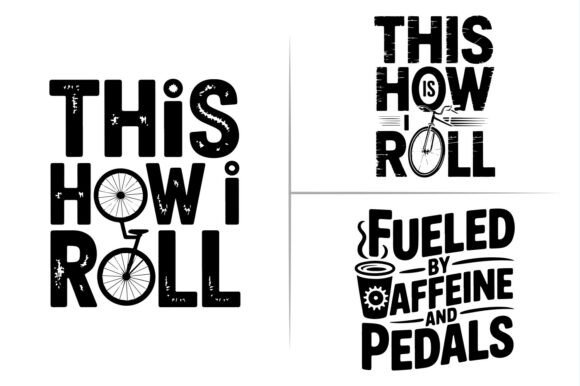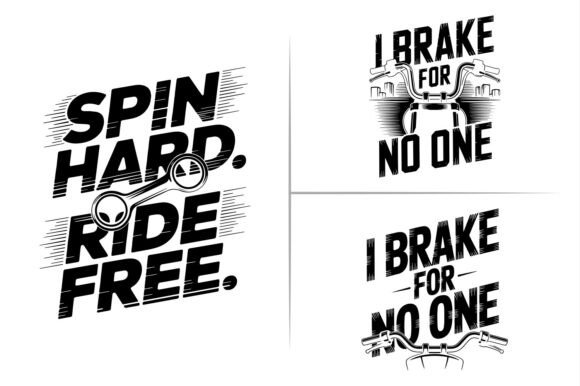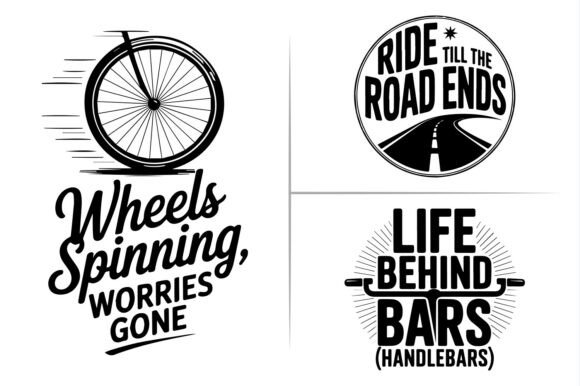
Adventure Bike Rider Bicyclist Crafts
As a designer who spends half my life staring at stitch counts and the other half trying to convince clients that "simple" doesn't mean "cheap," I approach every new digital asset with a healthy dose of skepticism. We have all seen the endless streams of generic bicycle outlines flooding marketplaces, but Adventure Bike Rider Bicyclist Crafts caught my eye for reasons that go beyond just being another cycling graphic. I wanted to see if this design could hold its own in a real-world embroidery project, specifically one destined for a boutique shop or a high-end personalized gift.
First Impressions: Mood and Visual Personality
The moment you open the file, the personality of the design is clear. It isn’t just a static image of a bike; it captures motion. The title suggests an "adventure," and visually, the rider leans into the turn, suggesting speed and agility rather than a casual Sunday cruise. For an embroidery designer, this dynamic angle is crucial. Static designs often look flat on fabric, but a design with implied movement translates beautifully into thread work because it gives the eye somewhere to travel.
The aesthetic feels rugged yet polished. It bridges the gap between a technical sports logo and a lifestyle illustration. This makes it incredibly versatile. It doesn’t scream "competitive racing team," nor does it whisper "children’s nursery decor." Instead, it sits comfortably in the middle—perfect for the active parent, the weekend warrior, or the small business owner looking for gender-neutral merchandise. The visual weight is balanced, meaning it won’t overwhelm a garment when stitched, nor will it get lost in the background of a busy patterned fabric.
Real-World Application: The Custom Tote Bag Scenario
To truly test a design like Adventure Bike Rider Bicyclist Crafts, I don’t just look at the vector preview; I imagine the finished product. My first mental mockup was a heavy-duty canvas tote bag for a local bike shop giveaway or a custom Etsy listing. Here is why this specific design works well for that application:
- Placement Flexibility: The layout allows for a centered chest placement on a sweatshirt or a large, dominant print on the front panel of a tote. The negative space around the rider is clean, which prevents the design from feeling cluttered even if you add text below it.
- Thread Color Contrast: Because the lines are distinct, this design performs exceptionally well with high-contrast thread choices. Imagine a deep navy blue fill stitch for the bike frame against a natural oatmeal canvas bag, with bright yellow running stitches for the spokes. The clarity holds up.
- Brand Consistency: For craft business owners, having a cohesive look is key. This design has a modern, slightly minimalist vibe that fits well with contemporary branding trends. It doesn’t look dated after six months, which is vital for inventory management.
I also pictured this as an embroidered patch for a denim jacket. The "mountain bike" aspect of the theme lends itself perfectly to outdoor apparel. A small, left-chest placement on a black fleece would pop immediately, signaling the wearer’s hobby without shouting it. It adds value to a basic garment, turning a $20 hoodie into a $45 custom piece.
Performance in Different Stitch Categories
When evaluating how this machine embroidery design translates to thread, we have to consider the stitch types. While the source is a cutting file, the principles of line weight apply to digitizing for embroidery.
If digitized as an applique design, the clean edges of the bike silhouette would create a sharp, professional finish. Appliance is excellent for complex shapes because it eliminates the risk of puckering in dense areas. Alternatively, using a combination of satin stitch for the main outlines and fill stitch for the rider’s jersey can add texture and depth. However, caution is needed here. If the digitizer attempts to put too much detail into the spokes or the gear mechanism, the design may become muddy. In my experience, simplifying these tiny mechanical parts usually results in a cleaner final look.
Where to Use Carefully: Limitations and Risks
No design is perfect for every surface. As an experienced reviewer, I must point out where Adventure Bike Rider Bicyclist Crafts might struggle. Precision is everything in embroidery, and certain fabrics and surfaces present unique challenges.
- Small Hoop Sizes: If you attempt to stitch this design in a hoop smaller than 4x4 inches, you risk losing definition. Tiny details, such as the handlebars or the tread on the tires, may merge together if the scale is too small. Always check the recommended hoop size before committing to production.
- Textured and Stretchy Fabrics: Embroidery relies on stability. Stitching this onto a highly textured fabric like bouclé or a stretchy mesh jersey can cause distortion. The needle pull can shift the fabric, warping the straight lines of the bike frame. If you must use these materials, a heavy-duty cut-away stabilizer is non-negotiable.
- Curved Surfaces: While caps are popular, placing a wide design like this on a curved brim or the front panel requires advanced digitizing techniques to account for the curve. Without proper underlay stitching, the design may pucker or sit unevenly.
- Dense Stitch Areas: If the design includes large blocks of solid color, be mindful of the stitch density. Too much thread in one area can make the fabric stiff and uncomfortable, especially on baby clothes or lightweight t-shirts. For baby embroidery, lighter fills or applique methods are generally safer and more comfortable for the child.
Impact on Product Value and Customer Trust
In the world of handmade products, presentation is everything. A poorly executed design can make a skilled artisan look amateurish, while a well-executed one builds instant credibility. Adventure Bike Rider Bicyclist Crafts has the potential to elevate a handmade product because of its clean geometry. When customers see a crisp, well-defined bicycle motif, they associate it with quality craftsmanship.
This is particularly important for Etsy sellers and small shop owners. Your photos need to sell the dream, and a clear, recognizable design helps buyers visualize the item instantly. If you are creating printable mockups for your listings, this design renders clearly even in black and white, which helps in testing contrast levels before you ever load the thread into the machine.
Practical Designer Notes for Production
Before you rush to produce a batch of custom apparel featuring this design, follow these practical steps to ensure success:
- Test on Scrap Fabric: Never run a full production order without a test stitch-out. Check how the threads interact with your specific fabric type.
- Review Stitch Density: Ensure the digitized file isn’t overly dense. You want the fabric to breathe, especially for items that will be worn frequently.
- Inspect Small Details: Zoom in on the original file. Are there any tiny elements that might not translate well to thread? Simplify them if necessary.
- Check Licensing: This is critical. Before selling finished products or digital embroidery files, confirm the commercial use rights. Many assets labeled for personal use cannot be sold commercially. Make sure you have the right license for your craft business.
- Compare Backgrounds: Test the design on both light and dark fabrics. A design that looks great on white cotton might disappear on grey heather. Adjust your thread colors accordingly.
Final Verdict
Adventure Bike Rider Bicyclist Crafts is a strong candidate for designers looking to expand their catalog with sports-themed items. It strikes a balance between artistic flair and technical simplicity. Whether you are creating a personalized gift for a cyclist friend, adding a signature touch to your kitchen towels, or building a line of boutique branding merchandise, this design offers flexibility and visual appeal.
It is not a magic bullet that fixes poor digitizing, but it provides a solid foundation. With careful attention to stabilizer choice, thread selection, and hoop size, this design can result in a professional and desirable embroidery project. For the savvy maker, it represents an opportunity to tap into the passionate cycling community with a product that feels authentic and well-crafted.