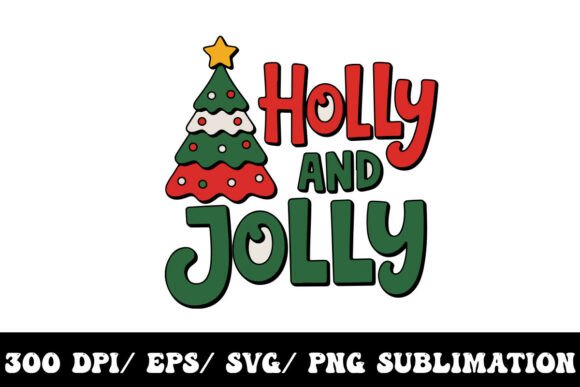
Holly and Happy Embroidery Design Review
As a designer who spends more time than I care to admit staring at stitch lines and fabric grain, I approach every new machine embroidery design with a mix of excitement and skepticism. The market is flooded with digital assets, but few truly stand out when translated from a screen to the needle plate. Today, I am putting the Holly and Happy design under the microscope. This isn't just about whether it looks cute in a thumbnail; it is about how it performs in real-world applications for craft business owners, Etsy sellers, and serious hobbyists.
The product description highlights that this is a Retro Kids saying Christmas T Shirt Design Bundle, provided as a print-ready PNG file. While the source is graphic-based, the intent is clearly for transfer or direct-to-garment printing scenarios that mimic the look of embroidery, or potentially as a guide for digitizing similar motifs. However, for those of us looking at this through the lens of an embroidery project evaluation, we need to assess its visual weight, thematic clarity, and commercial viability. Let’s break down what makes Holly and Happy work, where it shines, and where you might want to proceed with caution.
First Impressions: Mood and Visual Personality
The moment you engage with Holly and Happy, the retro aesthetic hits you immediately. It taps into that nostalgic, cozy feeling associated with vintage holiday card designs. For a small shop product aiming for a boutique feel, this mood is invaluable. It doesn’t scream "loud holiday chaos"; instead, it whispers "warmth and tradition."
From a layout perspective, the design balances text and imagery in a way that suggests strong readability. In the world of custom apparel, legibility is king. If a customer can’t read the phrase within three seconds, the design has failed its primary communication goal. The retro font choice likely offers character without sacrificing clarity, which is a delicate balance. When I imagine this on a heather grey sweatshirt or a cream-colored tote bag, the contrast potential feels high. It creates an immediate emotional connection, making it an excellent candidate for personalized gift markets where sentiment drives sales.
Real-World Application: Where Does It Fit?
I have spent years testing designs across various substrates, and Holly and Happy seems particularly well-suited for soft goods. Here is how I see it performing in specific handmade product categories:
- Sweatshirt Embroidery & Hoodies: The heavy fabric of a cotton-poly blend hoodie provides the perfect stability for bold lettering. A retro Christmas slogan like this pairs naturally with chunky knits or fleece. It feels authentic, not forced. This is prime territory for holiday embroidery collections.
- Tote Bag Design: Canvas totes are a staple for any Etsy seller. This design’s layout likely translates well to the center chest or pocket area of a canvas bag. It adds a touch of personality to everyday carry items, making it a practical yet stylish accessory.
- Baby Embryodery: The "Retro Kids" aspect suggests a playful tone that works beautifully for baby onesies or nursery decor. Parents love gifts that feel timeless rather than trendy. A small, centered placement on a white onesie could be incredibly charming.
- Kitchen Towels and Aprons: For the home decor niche, this design brings warmth to the kitchen. It fits the "farmhouse chic" or "cozy cottage" aesthetic that remains popular. It’s a great upsell item alongside main products.
However, it is important to remember that the source is a printable mockup or digital asset. If you are using this as a reference for digitizing your own digital embroidery file, you will need to consider how the graphic elements translate into stitches. If you are selling the digital file itself as a design asset, ensure your marketing clearly states it is for sublimation or DTG printing, not raw machine embroidery data, unless explicitly converted.
Technical Considerations and Stitch Clarity
Even if this is a print-ready graphic, the principles of good design apply to any textile application. When evaluating Holly and Happy for production, several technical factors come into play.
Stitch Density and Detail: If you were to digitize this, the density would be crucial. Retro designs often rely on clean lines. If the stitch density is too high on thin fabrics, you risk puckering. If it is too low, the thread colors may show the base fabric through, ruining the crispness of the retro aesthetic. You must check whether the design relies heavily on satin stitch for outlines or if it uses fill stitch for blocks of color. Satin stitches can look sharp but may catch on things if not trimmed properly.
Fabric Texture Compatibility: This design will struggle on highly textured fabrics like bouclé wool or thick terry cloth. The details will get lost in the weave. Stick to smooth surfaces like jersey knit, cotton blends, or tightly woven canvas. On stretchy fabric, such as thin t-shirts, you will need a reliable stabilizer to prevent distortion during the stitching process. Without proper stabilization, even the best design will look wavy and unprofessional.
Color Contrast: The success of this design hinges on contrast. On dark fabrics, you will need light thread colors (white, cream, light grey) to make the retro typography pop. On light fabrics, darker threads or vibrant retro tones (mustard, olive, rust) will work best. Always test your thread colors against your actual fabric swatches before committing to a large production run.
Where to Use With Caution
Not every surface is created equal. There are specific scenarios where Holly and Happy might not deliver the results you expect:
- Small Hoop Sizes: If the design includes intricate details or wide lettering, forcing it into a tiny hoop can compromise the integrity of the image. Ensure your hoop size accommodates the full width and height without unnecessary trimming.
- Curved Surfaces: Applying this to caps or curved hat fronts requires advanced digitizing techniques to account for the curve. Flat designs often distort on 3D objects. If you are new to embroidered patch creation or cap embroidery, practice on scrap material first.
- Dense Stitch Areas: Avoid placing dense fill stitches near seams or edges, as this can add unwanted bulk and stiffness. For a finished product that needs to remain soft and comfortable, especially for baby embroidery, lighter stitch patterns are preferable.
- Washability: For items that require frequent washing, such as aprons or kids' clothes, ensure the design is secure. Loose threads or inadequate backing can lead to fraying over time, damaging your brand reputation.
Commercial Viability and Brand Consistency
For the commercial embroidery entrepreneur, Holly and Happy offers strong seasonal appeal. Christmas is one of the highest-volume periods for handmade goods. Having a design that conveys nostalgia and joy can help differentiate your shop from competitors offering generic snowflake or Santa motifs.
When listing this on Etsy or your own website, use high-quality printable mockup images that show the design on realistic garments. Show it on a folded sweater, hanging on a door, or being held by a child. This helps buyers visualize the product value and increases conversion rates. Consistency in your branding—using matching fonts and color palettes in your listings—will build trust with repeat customers.
Before you start producing, double-check the licensing terms. Even if the product description mentions it is for personal or commercial use, verify if there are restrictions on the number of units you can sell or if attribution is required. Protecting your craft business means understanding exactly what rights you have attached to these design assets.
Final Verdict
Holly and Happy is a strong contender for anyone looking to add a touch of retro charm to their holiday collection. Its clear visual hierarchy, nostalgic mood, and versatility across multiple product types make it a practical choice for both personal projects and small business merchandise. Just remember to respect the technical limitations of embroidery, test thoroughly on scrap fabric, and always prioritize quality control in your final finished product. Whether you are creating a unique personalized gift for a friend or stocking shelves for the busy season, this design has the potential to resonate deeply with your audience.