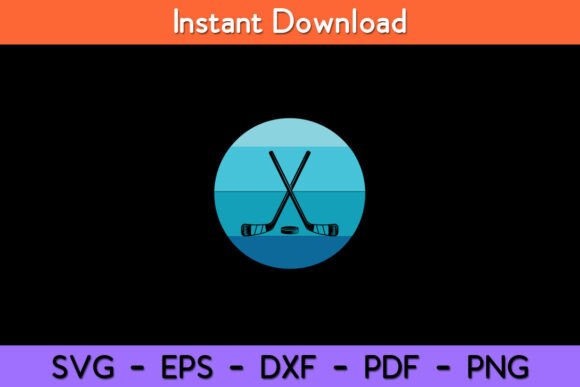
Ice Hockey Stick Hockey Sport Retro Review
When I first pulled up the Ice Hockey Stick Hockey Sport Retro design in my digitizing software, I immediately recognized the visual shorthand at play. It isn’t just a generic hockey stick; it carries that specific vintage aesthetic that has been dominating craft trends for the last few years. As an embroidery designer who reviews assets before committing them to client projects or small business inventory, I look for designs that balance nostalgia with technical viability. This SVG design, described as an instant download perfect for cutting machines like Cricut and Silhouette, presents an interesting case study for embroiderers. While marketed heavily toward vinyl cutters, the vector nature of the file suggests it could be traced or adapted for machine embroidery, provided you understand the limitations of translating sharp graphic lines into thread.
The Visual Personality and First Impressions
The mood created by this design is undeniably nostalgic. The "Retro" aspect implies a distressed texture or a simplified, bold silhouette that reads well from a distance. For a custom apparel project, such as a sweatshirt embroidery piece, this works exceptionally well because the thick lines and lack of overly intricate micro-details ensure the design remains legible. However, the "Vintage Ocean Water" descriptor in the product title adds a layer of complexity. If the design incorporates wave patterns or water-themed accents alongside the hockey stick, we need to consider how those elements will translate into stitch density.
In its current form as a digital asset, the design feels confident and sporty. It appeals to the demographic of hockey fans, parents buying gifts for young athletes, and anyone drawn to coastal sports aesthetics. The layout is likely centered and balanced, making it ideal for chest placements on caps or center-front placements on tote bags. But does it hold up when stitched? That depends entirely on how you interpret the vector paths. A direct trace might result in a blocky appearance, whereas careful digitization can soften the edges to mimic that worn-in, retro feel.
Real-World Application: From Digital File to Finished Product
Let’s imagine a practical scenario. You are preparing a batch of handmade products for an upcoming craft fair or updating your Etsy listings. You decide to create a line of personalized gifts for hockey families. The Ice Hockey Stick Hockey Sport Retro design becomes the centerpiece of a custom embroidered patch or a direct-to-garment print on a baby onesie.
For a tote bag design, this artwork shines. The sturdy canvas fabric provides a stable base, allowing you to use a heavier stabilizer to prevent puckering. The contrast between the thread colors and the natural or navy canvas will highlight the retro details effectively. Customers respond well to designs that tell a story, and combining the hockey motif with the ocean theme creates a unique niche—perfect for coastal towns where hockey is played year-round. It elevates a standard souvenir item into a boutique product with character.
Similarly, for sweatshirt embroidery, this design offers warmth and personality. The retro vibe pairs naturally with heather grey or cream fabrics. When designing for personalized gifts, adding a name above or below the stick using a complementary font enhances the value. The key here is cohesion; the font must match the vintage weight of the main graphic. If the lettering is too modern or thin, the entire composition falls apart visually.
Where Caution Is Required
Not every surface is created equal, and there are specific areas where this design requires careful handling. If you plan to stitch this onto textured fabrics like terry cloth towels or chunky knits, the fine details of the retro distressing may get lost. The thread might not lay flat against the uneven surface, leading to a messy finish. In such cases, it is better to use the design as a guide for applique rather than direct stitching.
Small hoop sizes also pose a challenge. If the original vector includes extensive background elements or wide spacing, trying to fit it into a 4x4 inch hoop might force you to crop essential parts of the hockey stick or the water motifs. Always check the hoop size constraints before finalizing your digitization. Additionally, working on stretchy fabric like jersey knit without proper stabilization can cause the design to distort during washing. The tension of the threads can pull the fabric, warping the shape of the stick.
Dense stitch areas should be avoided if possible. If the "ocean water" portion involves heavy fill stitches, it may become stiff and uncomfortable against the skin, especially for baby embroidery items. Softness is paramount for infant wear, so lighter stitch types or fewer layers of thread are preferable.
Technical Considerations for Embroidery Designers
As a professional reviewer, I cannot stress enough the importance of testing. Before running a full production run for your craft business, test the design on scrap fabric first. Use the same thread colors and stabilizer you intend for the final product. Inspect small details closely; sometimes, what looks like a solid line in a vector program breaks apart when converted to running stitch or satin stitch. If the lines are too thin, they may not cover the fabric adequately, leaving gaps that ruin the visual appeal.
Review the stitch density carefully. A high-density fill can make the back of the embroidery bulky and difficult to handle, particularly if you are attaching patches to garments. Compare light and dark fabric backgrounds to ensure the thread colors pop. A black outline on a dark blue shirt might disappear, ruining the brand consistency and professional look of your finished product.
Consider using applique design techniques if the file allows. Layering a contrasting fabric for the hockey stick over a base color can add dimension and reduce thread usage, resulting in a softer hand feel. This is especially effective for commercial embroidery projects where durability and comfort are selling points.
Impact on Brand and Customer Trust
A well-executed design builds customer trust. When a buyer sees a crisp, clean embroidery job that matches the online mockup, they perceive your shop as professional. Conversely, a distorted or poorly stitched design can lead to negative reviews, hurting your Etsy seller reputation. The Ice Hockey Stick Hockey Sport Retro design has the potential to boost buyer engagement because it taps into strong emotional connections—sports fandom, family memories, and seasonal celebrations.
It fits seamlessly into holiday embroidery campaigns, particularly around winter holidays or hockey seasons. Giftability is high, as parents love purchasing themed items for their children. By ensuring the embroidery project is executed flawlessly, you reinforce the value of your handmade product. Buyers are willing to pay a premium for quality, and consistent presentation across your design assets helps establish a recognizable brand identity.
Final Verdict
The Ice Hockey Stick Hockey Sport Retro design is a versatile asset for any crafter or designer looking to tap into the sports merchandise market. Its strength lies in its clear, nostalgic imagery and adaptability to various mediums. Whether you are creating digital embroidery files for sale or producing physical goods, this design offers a solid foundation. Just remember to respect the technical limits of embroidery. Test thoroughly, choose appropriate materials, and prioritize stitch quality over speed. By doing so, you transform a simple vector into a cherished keepsake that stands out in a crowded marketplace.
For those interested in expanding their catalog, this design serves as excellent inspiration for broader themes. It bridges the gap between Graphics and Crafts, showing how digital art can be reimagined through thread. Keep an eye on licensing terms if you plan to sell finished items, and always confirm whether the instant download includes commercial rights. With careful execution, this retro hockey motif can become a staple in your small shop product lineup, driving sales and customer satisfaction alike.