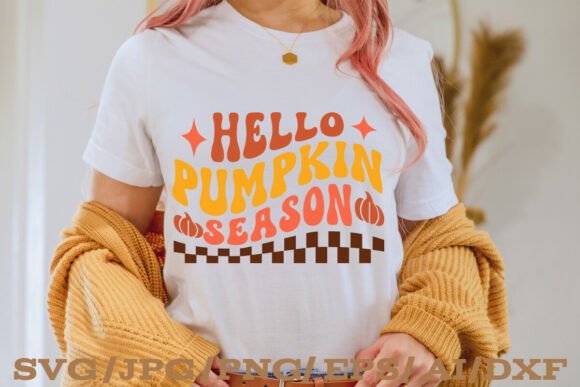
Hello Pumpkin Season SVG Design Review
As a designer who spends half the year prepping for the holiday rush and the other half trying to stay ahead of trends, I look at embroidery files with a critical eye. It is not enough for a design to simply "look good" on a screen; it has to translate well into thread, hold up under tension, and resonate with customers browsing Etsy or local craft fairs. Today, I am evaluating the Hello Pumpkin Season SVG Design, a file marketed toward both digital cutting and machine embroidery workflows. The goal here is to determine if this graphic holds up as a viable asset for real-world commercial projects, personalized gifts, and boutique merchandise.
First Impressions and Visual Personality
The moment you open the zip file containing the Hello Pumpkin Season SVG Design, the aesthetic speaks for itself. This is not a minimalist, modernist take on autumn; it leans heavily into retro nostalgia. The typography and layout evoke that cozy, slightly kitschy vibe that defines peak fall decor. For designers looking to tap into the "cottagecore" or vintage-inspired market, this mood is immediately recognizable. It feels warm, inviting, and distinctly seasonal without being overly complex.
From a design perspective, the visual personality is strong. It creates an instant emotional connection with anyone who associates pumpkin spice, crisp air, and harvest festivals with comfort. However, strength in graphics does not always equal success in stitching. The challenge lies in translating those retro curves and potential intricate details into a format that a machine can execute cleanly. If the design relies too heavily on thin lines or tiny serifs, it risks becoming muddy once stitched onto fabric. But if executed with proper digitizing techniques—using appropriate satin stitch widths and avoiding excessive fill stitch density—it can become a standout piece in any autumn collection.
Real-World Application: The Custom Tote Bag Scenario
To truly test the viability of this embroidery project, let’s imagine a specific use case. You are preparing a batch of custom embroidered tote bags for a local farmers' market pop-up shop. These bags are meant to be practical yet stylish, carrying everything from organic produce to handmade soaps. You decide to place the Hello Pumpkin Season SVG Design prominently on the front panel.
In this scenario, the design’s retro charm works in your favor. Customers gravitate towards designs that feel personal and nostalgic. When they see the finished product—a sturdy canvas bag featuring that cheerful, vintage-style pumpkin text—they perceive value. It looks like a handmade product crafted with care, not just another mass-produced item. The design fits naturally into the narrative of a small business owner curating seasonal goods. It suggests that you understand the current aesthetic preferences of your target audience.
However, placement matters. On a large tote bag, you have more room to breathe, allowing the design to expand without feeling cramped. This gives the stitches clarity and ensures that every curve of the lettering is visible. If you were to shrink this design down to fit on a small coffee mug coaster or a tiny baby onesie pocket, you might lose some of that retro character. The design shines best when it is given adequate space to perform, making it ideal for larger surface areas like tote bag design applications, sweatshirts, or wall hangings.
Performance on Different Fabrics and Garments
Not all fabrics play nice with every design. The Hello Pumpkin Season SVG Design performs exceptionally well on stable, medium-weight fabrics. Think denim jackets, thick cotton tees, or woven canvas for those tote bags. These materials provide the necessary structure to support the stitch density required for clear lettering and shapes.
Conversely, there are situations where caution is advised. Stretchy knits, such as those found in some athletic wear or thin jersey tees, can distort fine details. If the design includes delicate swirls or thin accents, the fabric may pucker during stitching, warping the image. Similarly, textured fabrics like bouclé or heavy wools can hide the nuances of the design, making it look muddy rather than crisp. In these cases, using a high-quality stabilizer is non-negotiable to prevent shifting and ensure the final output matches the digital preview.
For custom apparel like caps or hats, the curved surface presents its own set of challenges. While the design is versatile, ensuring it sits flat against a curved brim requires precise hoop alignment and potentially a smaller hoop size. If the design is too wide, it may wrap awkwardly around the crown. Always check the hoop size limitations before committing to headwear projects.
Considerations for Dark and Light Backgrounds
One of the most common mistakes designers make is ignoring thread contrast. A light-colored version of the Hello Pumpkin Season SVG Design on white fabric will likely disappear. To maintain visual appeal, you need to select thread colors that pop against your chosen background. For dark fabrics, bright golds, oranges, and creams will bring out the retro warmth of the design. For light fabrics, deep burgundies, forest greens, or classic blacks can provide a sophisticated contrast. Testing your thread colors on scrap fabric is the only way to guarantee this balance.
Technical Notes for Embroidery Designers
Before you load this file into your machine, there are several practical steps to take. First, inspect the vector paths closely. Look for any overlapping nodes or unnecessary complexity that could cause the machine to take inefficient routes. Simplify what you can. Second, review the stitch density. If the design calls for dense fills in small areas, consider adjusting the settings to reduce thread usage and prevent bulkiness, especially on garments that will be worn frequently.
It is also crucial to verify the licensing terms. Since this is sold as an SVG file compatible with Cricut and Silhouette, it may have different restrictions compared to dedicated machine embroidery design formats like PES or DST. If you plan to sell finished items, ensure you have the right to do so. Many digital sellers offer separate licenses for personal use versus commercial use. Confusing the two can lead to legal issues down the line.
- Test on Scrap: Always run a test stitch on the actual fabric you intend to use. This reveals puckering, tension issues, and color accuracy.
- Check Small Details: Zoom in on the digital file. Are there tiny elements that might break easily or get lost in the stitching process?
- Stabilizer Choice: Use cut-away stabilizer for stretchy fabrics and tear-away for stable wovens to provide the best support.
- Black and White Mockup: View the design in grayscale to ensure the composition holds up regardless of color choices.
Conclusion for Craft Business Owners
The Hello Pumpkin Season SVG Design is a strong contender for anyone looking to capitalize on the autumn season. Its retro aesthetic is timeless, appealing to a broad range of customers from hobbyists to serious Etsy sellers. It works beautifully for holiday embroidery projects, including personalized gift items like aprons, kitchen towels, and nursery decor.
However, success depends on execution. By understanding the limitations of fabric types, paying attention to thread contrast, and respecting technical specifications, you can transform this simple graphic into a premium finished product. It is not just a clipart image; it is a tool for building brand consistency and engaging buyers who appreciate quality craftsmanship. Treat it with the respect due a professional design asset, and it will serve your craft business well throughout the busy fall months.